

Protect Your Back: 3 Workout Mistakes That Keep Causing You Pain
Regular exercise does wonders for your health — but sloppy technique can cost you your back. A lot of people unknowingly repeat a few simple mistakes that make old pain worse or start new issues. Below we break down three common errors, show how to fix them, and explain how personal training and targeted classes in Omaha can keep you moving safely. Learn these pitfalls and use the right cues to lower your injury risk and get more out of every workout.
What are the 3 most common workout mistakes that cause back pain?
Noticing the usual slip‑ups is the first step to staying injury‑free. The three biggest offenders we see are skipping a proper warm‑up, trying to progress too quickly, and sacrificing form for heavier weights. Any of those can overload the lower back, cause strains, or lead to longer‑term issues if they aren’t corrected.
How can poor lifting technique cause back injuries?
Bad lifting form can place unsafe loads on the spine. Common problems include rounding the back during lifts, using jerky momentum, and failing to brace the core. Those mistakes raise the risk of muscle strains, disc irritation, and other injuries. Protect your back by keeping a neutral spine, hinging at the hips, and driving the movement with your legs instead of your lower back.
Research consistently shows that reliable technique cuts the risk of injury during strength training.
Improve Lifting Technique to Prevent Back Injuries
A simple, low‑cost approach that focuses on back alignment during lifting helps athletes refine technique and avoid low‑back injuries.
Lower back injury prevention and sensitization of hip hinge with neutral spine using wearable sensors during lifting exercises, F Michaud, 2021
Why is poor posture during exercise harmful to your back?
Poor posture under load changes how force travels through your spine and creates uneven stress. While exact figures vary, posture problems are a common factor in many training‑related injuries. Keep your shoulders down and back, brace your core, and avoid excessive arching or rounding through the mid and lower back during movement to cut strain.
Which corrective exercises and core workouts help prevent back pain?
Adding corrective work and core‑building exercises to your routine makes the spine more resilient. These movements restore muscle balance, improve mobility, and strengthen the muscles that support posture — all of which reduce injury risk and boost performance.
What are the best core exercises for back support?
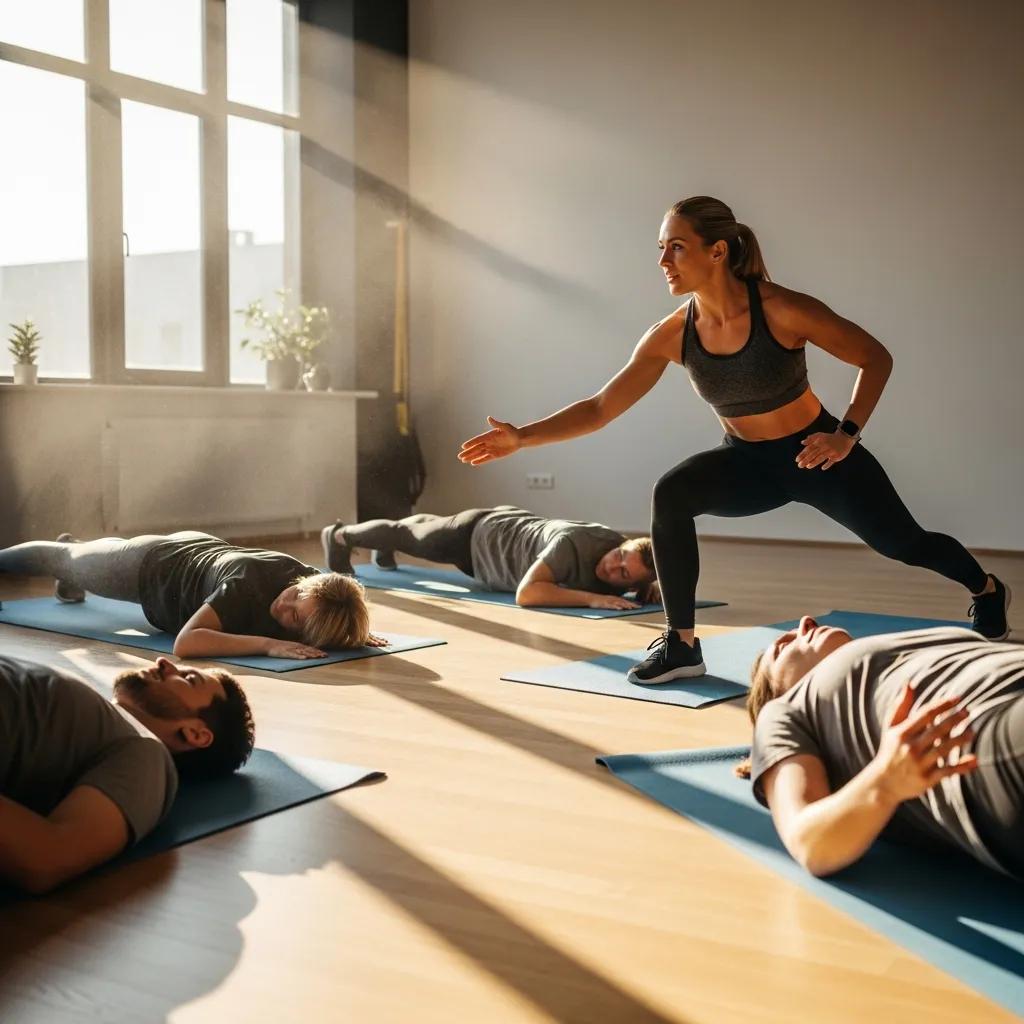
Some of the most effective core strengthening exercises for back support include planks, glute bridges, and bird‑dogs. These moves target the muscles that stabilize your spine and encourage better posture. Done consistently, they build a stronger, more dependable core — which is essential for a healthy back.
How do posture correction workouts lower injury risk?
Posture‑focused programs strengthen the muscles that hold good alignment and add flexibility where you need it. Working with a coach makes these sessions more effective — trainers cue correct movement patterns and choose the right progressions. Over time, improved posture means fewer flare‑ups and more confidence when you lift.
Targeted posture programs have been shown to reduce musculoskeletal pain and improve comfort in the shoulders, mid‑back, and low back.
Posture Correction Exercises for Back Pain Relief
A posture correction program in this study produced lower overall pain levels. Participants reported meaningful decreases in shoulder, mid‑back, and lower‑back pain, suggesting posture work can relieve common musculoskeletal complaints.
Effect of an exercise program for posture correction on musculoskeletal pain, 2015
How does personal training help prevent workout injuries?
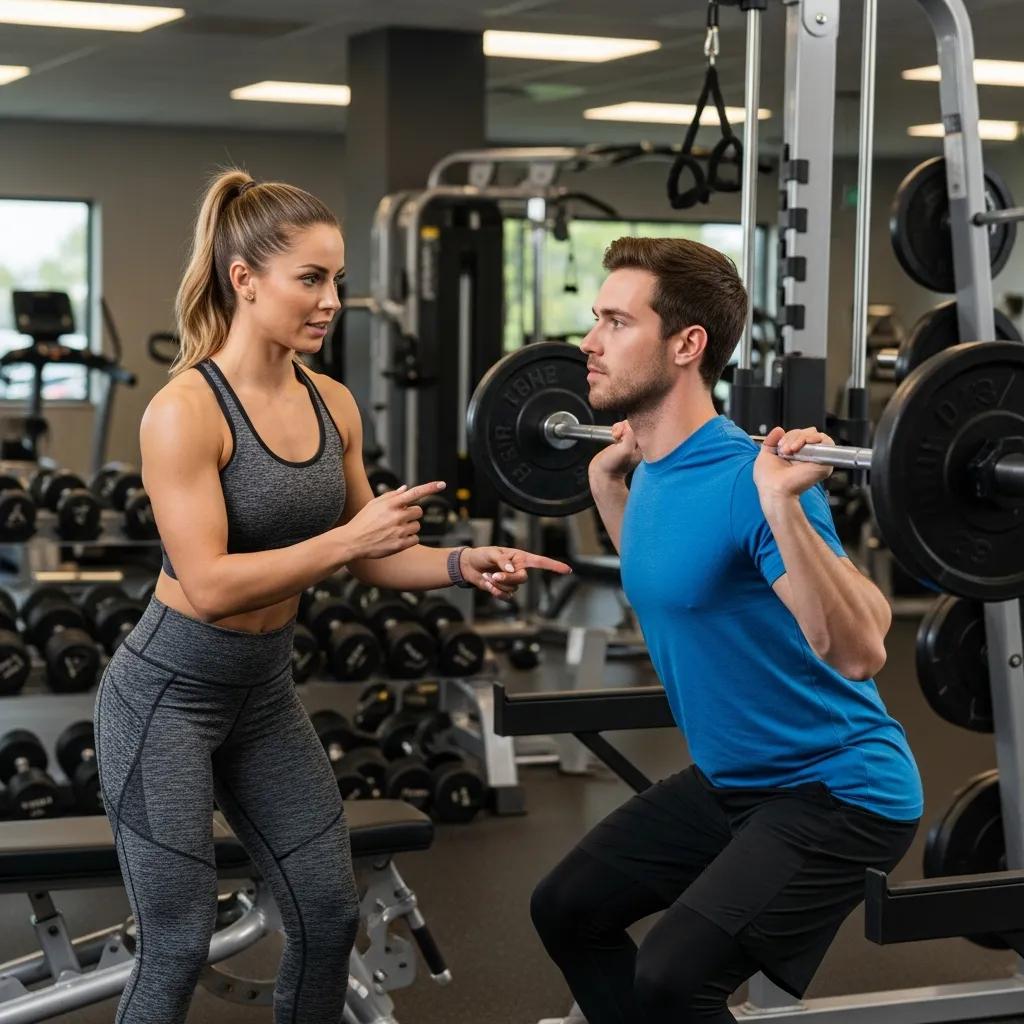
Personal training gives you one‑on‑one feedback so you learn correct movement patterns from the start. A good trainer spots small technical faults, offers timely corrections, and tailors progressions to your needs — all of which reduce the chance of injury and speed safe progress.
Experienced trainers play a big role in lowering common workout injuries, especially those affecting the lower back.
Personal Trainers & Common Workout Injuries
As more people look for guidance to get healthier, personal trainers encounter a range of overuse and technique‑related injuries. The most common issues reported by trainers include lumbar muscle strain (10.7%), rotator cuff tear/tendonitis (8.9%), shin splints (8.1%), ankle
Personal trainer demographics, current practice trends and common trainee injuries, GR Waryasz, 2016
What benefits does personalized coaching offer for safe lifting techniques?
Personal coaching gives you several clear advantages: customized plans that respect your mobility and goals, hands‑on cueing to lock in good form, and accountability that keeps you progressing without rushing. That combination helps you lift smarter and reduces the things that cause injuries.
When should you get a personal trainer for back pain prevention?
Consider a personal trainer if you have recurring soreness, feel unsure about your technique, or notice your progress has stalled. Early coaching fixes small errors before they become chronic, saving time and keeping you consistent with training.
Where can Omaha residents find local fitness classes focused on injury prevention?
Omaha offers choices for people who want to train safely. Look for classes that emphasize technique, core strength, and gradual progressions — those are the sessions designed to reduce injury risk and build lasting fitness.
Which Black Clover Fitness classes support safe workouts and back health?
At Black Clover Fitness we run classes and one‑on‑one sessions that prioritize safe movement and back health. Our programs combine corrective work, strength coaching, and clear progressions so members learn how to lift and move without pain.
How do group classes encourage proper technique and injury prevention?
Group classes at Black Clover focus on hands‑on cues, timely coaching, and smart load management. Instructors give real‑time feedback so you can keep good form, avoid common mistakes, and train in a supportive environment that values safety as much as progress.
Where to Find Injury-Preventing Fitness Classes in Omaha?
Protecting your back during workouts is essential for long‑term health and performance. By avoiding common mistakes and prioritizing good technique, you can greatly reduce injury risk and make steady progress. Consider working with a personal trainer or joining targeted classes to be sure you’re using the right methods for safe lifting. Start prioritizing your back health today and check out our offerings at Black Clover Fitness for expert guidance.
At Black Clover Fitness, you’ll find a supportive community of people balancing careers, family, and the drive to feel and move better. Join us and take practical steps toward moving with more confidence every day.
Why our members love us:
✅ Classes designed specifically for professionals
✅ A supportive, judgment‑free environment
✅ Flexible scheduling for busy lives
Call us now at (402) 964-2300 to get started on a stronger, healthier you. Don’t miss this chance!
Unlock your$27 3‑Day VIP Pass or visit us athttps://blackcloverfitnessomaha.com/